
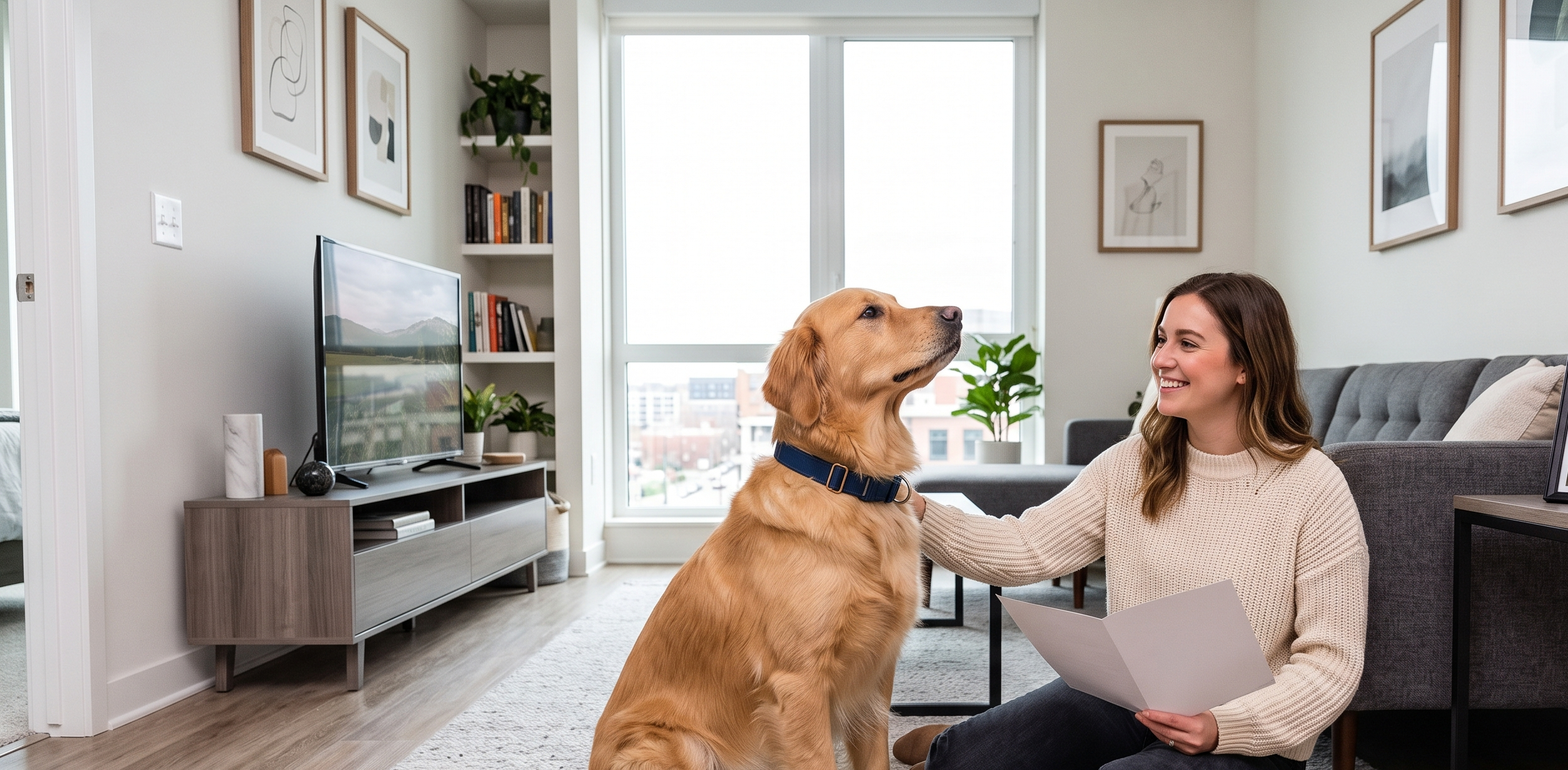
How a Trained Pet Could Lead to Reduced Rent
In a world where finding pet-friendly housing can be a challenge, and pet fees often add a significant chunk to your monthly expenses, what if we told you there's a surprising way your beloved, well-trained companion could actually help reduce your rent? It sounds almost too good to be true, but investing in positive reinforcement training for your pet isn't just about a happier household; it's about becoming an incredibly appealing tenant. Landlords are often hesitant about pets due to potential damage, noise complaints, or liability concerns. A well-behaved pet, however, transforms these worries into a non-issue, opening doors to negotiation.
Why Landlords Love (and Reward) Responsible Pet Owners
For landlords, the decision to allow pets comes with a set of calculated risks. Here’s how a trained pet mitigates these concerns, making you an ideal tenant:
- Damage Prevention: Unruly pets can chew, scratch, and have accidents. A trained pet understands boundaries, preventing costly repairs. For instance, knowing how to curb destructive digging dilemmas or counter-surfing habits can save both your security deposit and your landlord's peace of mind.
- Noise Control: Excessive barking or whining can disturb neighbors and lead to complaints. A well-trained dog is less likely to engage in nuisance barking, especially when left alone.
- Cleanliness & Odor Management: Regular grooming and proper hygiene for your pet mean less shedding, fewer odors, and a cleaner living space. Check out our tips on essential home pet grooming tools to keep your furry friend (and your apartment!) pristine.
- Reduced Liability: A calm, obedient pet is less likely to jump on guests, escape, or cause incidents, significantly lowering potential liability for the property owner.
- Demonstrates Responsibility: A landlord sees a well-trained pet as a direct reflection of a responsible, conscientious tenant. This speaks volumes about your character and reliability, making you a more attractive candidate. This level of dedication often starts from the moment you consider adopting a dog or during the foster-to-adopt transition.
Crafting Your 'Pet Resume' for Rent Negotiation
Once your pet is a shining example of good behavior, it's time to leverage that training. Here’s how to approach your landlord or prospective landlord:
- Proof of Training: Provide certificates from obedience classes, a letter from your trainer, or even a video showcasing your pet's skills.
- References: Ask previous landlords or even your veterinarian for a character reference for your pet.
- Meet-and-Greet: Offer to introduce your pet to the landlord. Seeing your dog calmly sit, stay, and greet strangers politely can be incredibly persuasive.
- Pet Resume/Portfolio: Create a charming "pet resume" detailing your pet's good habits, personality, vaccination records, and training achievements. Highlight how you ensure boundaries are set while working from home with your pet to ensure their quiet time and your productivity.
- Propose a Trial Period: If they're hesitant, suggest a short trial period to demonstrate your pet's excellent behavior.
Key Training Areas to Master for Maximum Impact
Positive reinforcement is the cornerstone of building a well-behaved pet. Focus on these areas to impress any landlord:
Basic Obedience: The Foundation of Good Manners
Ensure your pet is rock-solid on commands like Sit, Stay, Come, and Down. These aren't just tricks; they're essential for control and safety. Even simple commands a 5-year-old can teach a dog can make a huge difference in demonstrating control and manners.
House-Training & Crate Training: Protecting Your Home
A fully house-trained pet is non-negotiable. Crate training provides a safe, comfortable den for your pet and prevents accidents or destructive behavior when you're away.
Leash Manners: Polite Public Appearances
A dog that walks politely on a leash without pulling or lunging demonstrates good control and responsible ownership, crucial for communal living spaces or shared walking paths.
Manners at Home: Respecting the Space
Teach your pet not to jump on people, bark excessively at the door, or climb on furniture without permission. Consistency is key, and while treats are great for training, learn how to phase out food rewards for long-term reliability.
Enrichment & Mental Stimulation: Preventing Boredom & Destructive Habits
A bored pet is often a destructive pet. Incorporate plenty of mental exercise to keep them happy and calm. Explore fun activities like Scent Work 101 to activate their incredible nose, or understand the power of a "Sniffari" for tiring them out. Consider feeding your pet using canine enrichment to make meal times a stimulating activity.
The Long-Term Rewards Go Beyond Your Rent Bill
While the prospect of reduced rent is certainly enticing, remember that the true value of positive reinforcement training extends far beyond your lease agreement. A well-trained pet leads to a calmer, happier household, a stronger bond between you and your companion, and greater acceptance within your community. It’s an investment in a lifetime of joy and responsible pet ownership.
Ready to transform your pet into the best tenant on the block? Explore PetTrain360's resources and start your positive reinforcement journey today!