
Puppy Separation Anxiety: Prevention Tactics from Day One
Bringing a new puppy home is an exhilarating experience, filled with boundless joy, playful nipping, and endless cuddles. However, for many new pet parents, the joy can soon be accompanied by the daunting challenge of puppy separation anxiety. This isn't just about a puppy missing you; it's a genuine distress response that can manifest in destructive behaviors, excessive barking, and even self-harm. The good news? With positive reinforcement and proactive strategies, you can lay the groundwork to prevent puppy separation anxiety from the moment your furry friend crosses your threshold.
At PetTrain360, we believe in setting our puppies up for success, and that starts with fostering independence and confidence right from the start. Let's dive into practical prevention tactics that will help your puppy thrive, even when you're not around.
Understanding Puppy Separation Anxiety Before It Starts
Separation anxiety isn't a behavior problem; it's an emotional one. Puppies are wired to be with their pack, and suddenly being alone can trigger intense fear and panic. Our goal is to teach them that being alone is not scary, but rather a normal, calm part of their day. This requires patience, consistency, and a foundation built on trust.
Core Prevention Tactics for a Confident Puppy
1. Establish a Safe, Positive "Den" (Crate Training is Key!)
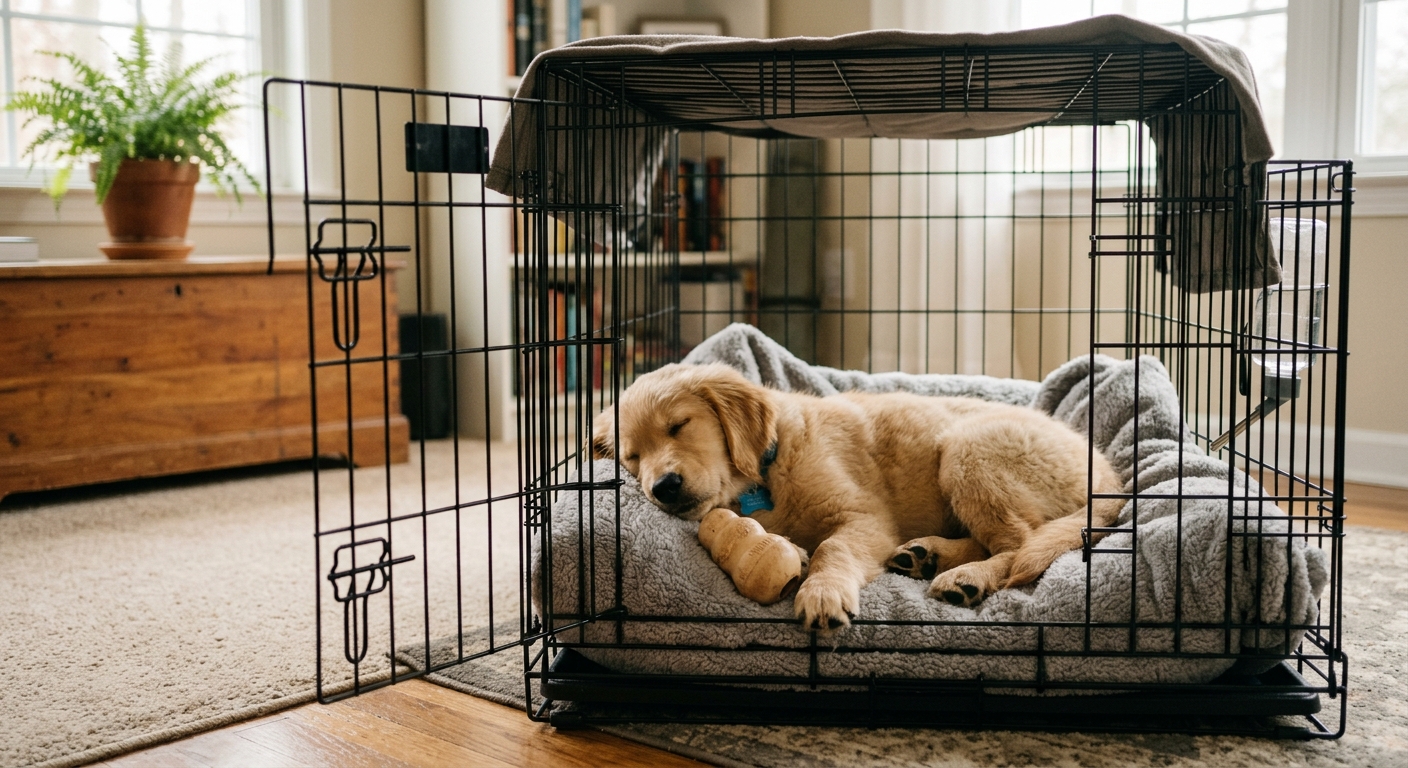
One of the most powerful tools in preventing separation anxiety is establishing a comfortable, secure "den" for your puppy. This is typically a crate, but it must be introduced positively and never used for punishment. A well-introduced crate becomes a safe haven where your puppy can relax and feel secure when you're busy or away. Fill it with comfy bedding and exciting, safe chew toys.
- Positive Association: Feed meals in the crate, offer high-value treats only in the crate, and play soft, calming music.
- Gradual Introduction: Start with short periods and build up. Never force your puppy inside. For a detailed guide on making the crate a dream den, check out our article on Crate Training Without Screaming: A Step-by-Step Nighttime Guide.
- Location Matters: Initially, place the crate in an area where your puppy can still see and hear you, gradually moving it to a quieter spot as they gain confidence. Before your puppy even comes home, consider How to Set Up Your House Before Bringing a Puppy Home, including crate placement.
2. Practice Short, Calm Absences from Day One
The biggest mistake new puppy parents make is being constantly present during the first few weeks, creating an intense attachment that makes separation difficult. Begin practicing short separations immediately.
- "Phantom Exits": Pick up your keys, put on your coat, and then sit back down. Repeat this several times a day without actually leaving. This desensitizes your puppy to your departure cues.
- Room Separation: Go into another room for a minute or two, close the door, and then return calmly. Gradually increase the time.
- No Big Fanfare: Avoid dramatic goodbyes or overly enthusiastic greetings. Keep departures and arrivals low-key and calm to prevent escalating your puppy's emotions.
3. Harness the Power of Enrichment and Mental Stimulation
A tired puppy is a happy puppy, and mental stimulation is often more exhausting than physical exercise. Providing engaging activities when you're away can shift your puppy's focus from your absence to something enjoyable.
- Interactive Toys: Puzzle feeders stuffed with tasty kibble or a Kong filled with frozen peanut butter can keep your puppy occupied for extended periods. For more ideas that challenge their brains, explore Enrichment for Puppies: 7 Brain Games That Tire Them Out Faster Than Walks.
- Safe Chews: Offer appropriate, safe chew toys, especially for teething puppies. A satisfied chewer is a calmer puppy. You might find some excellent suggestions in our Teething Survival Kit: Best Safe Toys to Freeze for Gums.
- Strategic Timing: Offer these enrichment items just before you leave, so their association with your departure is positive.
4. Teach Self-Soothing and Impulse Control
Puppies who can entertain themselves and manage their impulses are less likely to panic when alone.
- "Place" or "Go to Bed" Command: Teach your puppy to settle on a mat or in their crate independently, even when you're in the room. This teaches them to relax in a designated spot. Using tools like Platform Training can help achieve this with precision.
- Independent Play: Encourage your puppy to play with toys on their own, rather than constantly engaging them in play.
- Calmness Rewards: Reward moments of calm, independent behavior with quiet praise or a gentle treat. For more advanced self-control, consider incorporating Impulse Control Games into your training routine.
5. Prioritize Fear-Free Socialization
A well-socialized puppy is generally a more confident and resilient puppy. Exposure to a variety of sights, sounds, people, and other friendly dogs during their critical socialization window (up to 16 weeks) helps them develop coping skills for new situations, including being alone.
- Positive Experiences: Ensure all new experiences are positive and non-threatening.
- Variety is Key: Introduce them to different environments, surfaces, and noises in a controlled, safe manner. Our Fear Free Socialization Checklist: 50 Things Your Puppy Needs to See Before 16 Weeks is an invaluable resource for this.
What to Avoid When Preventing Puppy Separation Anxiety
Just as important as what you do, is what you don't do:
- Don't Punish: Anxious behaviors like barking or destruction are distress signals, not acts of defiance. Punishing your puppy will only increase their anxiety.
- Don't Make a Big Deal: Avoid drawn-out goodbyes or overly excited reunions. Keep things low-key to minimize emotional build-up.
- Don't Leave Them Alone Too Long, Too Soon: Build up duration gradually. Pushing them past their comfort zone too quickly can set back progress.
- Don't Allow Constant Clinginess: While endearing, constantly having your puppy at your side can hinder their ability to be independent. Encourage periods of quiet, separate relaxation.
Conclusion: Building a Foundation of Confidence
Preventing puppy separation anxiety is an ongoing process rooted in positive reinforcement, consistency, and understanding. By creating a safe den, practicing gradual absences, providing enriching activities, teaching self-soothing, and prioritizing fear-free socialization, you empower your puppy to be a confident, independent companion. Start these tactics from day one, and you'll be well on your way to raising a happy, well-adjusted dog who can calmly cope with being alone.
Remember, patience is paramount. Every puppy is an individual, and some may take longer than others to adjust. If you notice persistent signs of severe anxiety, don't hesitate to consult with a professional dog trainer or veterinary behaviorist. PetTrain360 is here to support you every step of the way on your training journey!