
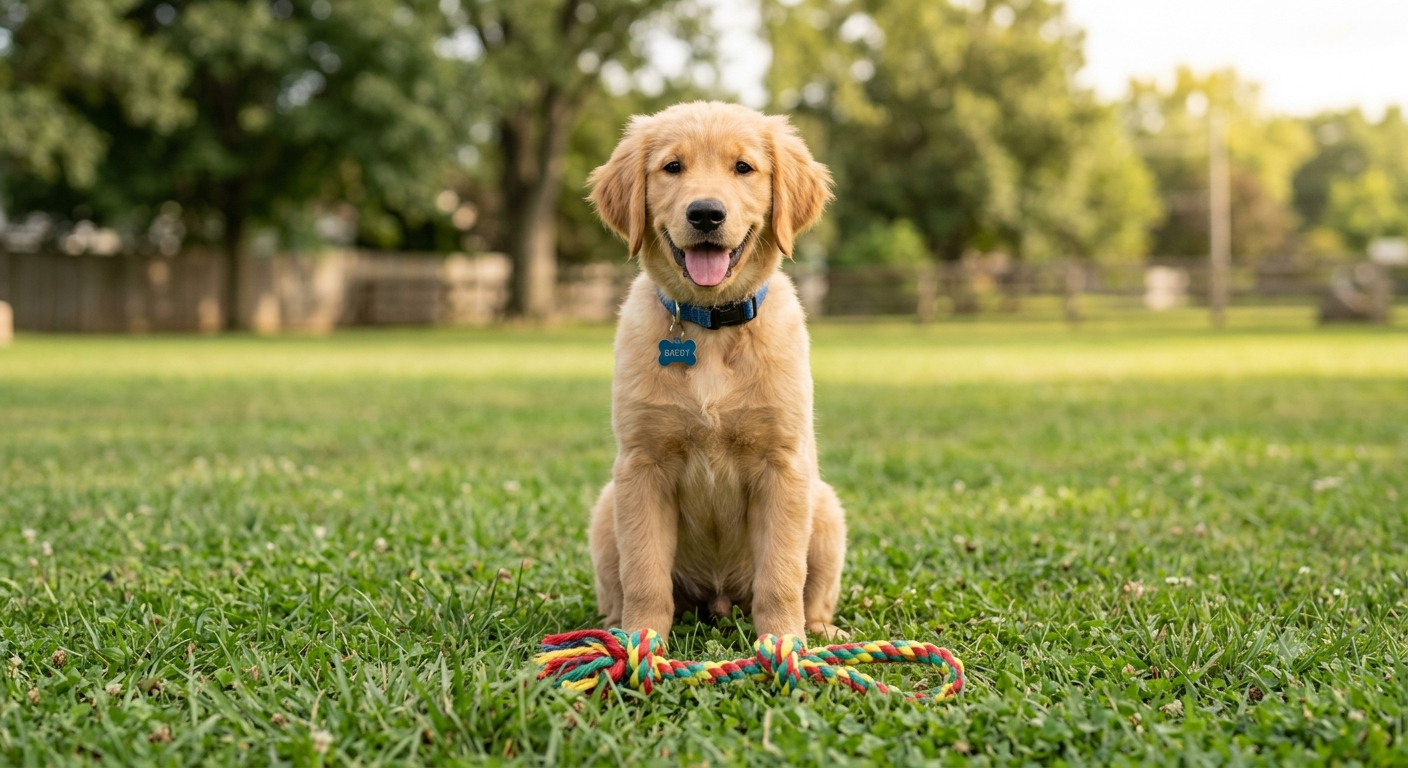
Does your furry friend struggle to resist the urge to pounce on a dropped treat, bolt out the door, or grab every squeaky toy in sight? If so, you're not alone! Many dogs, especially spirited puppies and adolescents, can benefit immensely from learning self-control. This isn't about crushing their spirit; it's about empowering them with the ability to make good choices, leading to a calmer, happier, and more harmonious life together. At PetTrain360, we believe in making training fun and rewarding for both ends of the leash!
Impulse control is the cornerstone of good manners, preventing a host of common behavioral challenges. Imagine a dog who waits patiently for their dinner, doesn't jump on guests, or walks politely on a leash without pulling every time they see a squirrel. These are all outcomes of strong impulse control. And the best part? You can teach these invaluable skills using something your dog already adores: their favorite toys!
Why Use Toys for Impulse Control Training?
Toys aren't just for play; they're powerful motivators! By harnessing your dog's natural desire for play, we can turn training into an exciting game. This positive association makes learning enjoyable and reinforces good behavior, rather than simply suppressing unwanted actions. Using toys helps build focus, strengthen your bond, and makes self-control feel like a victory, not a restriction.
The Core Principles: Patience, Positivity, and Play
- Positive Reinforcement: Always reward the desired behavior. When your dog makes a good choice (like waiting), follow it with praise, a treat, or access to the toy.
- Start Simple: Begin in a quiet, distraction-free environment. Gradually increase distractions as your dog masters each step.
- Keep it Short & Fun: Training sessions should be brief (5-10 minutes) and end on a positive note. This keeps your dog engaged and eager for the next session.
- Consistency is Key: Practice regularly and ensure everyone in the household understands the rules.
Engaging Impulse Control Games with Toys
1. The "It's Yours/Leave It" Game
This classic command is fundamental for teaching your dog to ignore tempting items until given permission. It's fantastic for preventing them from snatching things off counters or picking up unwanted items on walks.
- How to Play: Hold a favorite toy in your hand. When your dog tries to grab it, close your hand around it and say "Leave It."
- Wait for Success: The moment your dog backs away, even for a second, or looks away, praise them enthusiastically and immediately present a high-value treat with your other hand.
- The Release: Once they consistently leave the toy, start introducing "It's Yours" as the release cue, allowing them to take the toy. Practice with the toy on the floor, gradually increasing the difficulty by moving further away or adding slight distractions. This skill is vital for preventing many frustrating behaviors, including things like charging the front door when guests arrive.
2. Toy Freeze: The Ultimate Patience Builder
This game teaches your dog to pause their play mid-action, building incredible self-control and focus. It’s particularly useful for high-energy dogs who get overstimulated easily.
- How to Play: Engage your dog in a vigorous play session with their favorite tug toy or squeaky ball.
- "Freeze!" Command: Mid-play, suddenly stop moving the toy and say "Freeze!" or "Wait!" Hold the toy still.
- Reward the Pause: The instant your dog pauses, even for a split second, praise them and resume play. Gradually increase the duration of the "freeze" before rewarding. This teaches them that pausing leads to more fun, not the end of it!
3. The Great Toy Race (with a Stay)
This game combines the excitement of chasing a toy with the invaluable skill of staying put until released. It's excellent for improving recall and preventing bolting.
- How to Play: Ask your dog to "Stay" in one spot (start with short distances and durations).
- Tempting Toss: Walk a short distance away and place their favorite toy on the ground or give it a small toss, making it highly enticing.
- The Release: Return to your dog, release them with a clear "Okay!" or "Get it!", and encourage them to race to the toy. Celebrate their success! As their impulse control improves, you'll see a dramatic decrease in issues like leash pulling because they learn to wait for your cues.
4. Toy Treasure Hunt (Advanced Impulse Control)
This game engages your dog's mind and nose, turning impulse control into a rewarding brain game. It's a fantastic way to provide mental enrichment and can be easily adapted for puppies or older dogs. You can find more ideas for engaging their senses in our Scent Work 101: Easy Games to Activate Your Dog's Incredible Nose article.
- How to Play: Have your dog "Stay" in a different room or behind a gate.
- Hide & Seek: Hide a favorite toy in an easy-to-find spot.
- "Find It!" Command: Release your dog with "Find It!" and encourage them to use their nose.
- Increase Difficulty: As they get better, hide toys in more challenging locations. The waiting period before the search is crucial for impulse control. This type of mental exercise is incredibly tiring and rewarding, just like the power of sniffing!
5. Red Light, Green Light (Toy Edition)
This is a fun, active game that teaches your dog to start and stop movement on command, fostering quick self-control during exciting activities.
- How to Play: With your dog's favorite toy in hand, start moving backwards, encouraging your dog to follow you or chase the toy.
- "Red Light!" Pause: Suddenly stop, hide the toy behind your back, and say "Red Light!" Reward them with a treat or praise the instant they stop.
- "Green Light!" Go: After a brief pause, bring out the toy, say "Green Light!", and resume the exciting play. This helps dogs learn to control their body and impulses, which can also be beneficial when learning to navigate new environments, or even just setting boundaries when working from home with pets.
Beyond the Games: Real-World Benefits
The self-control your dog learns through these fun toy games will spill over into countless other situations. You'll likely see improvements in their ability to stay calm when visitors arrive, walk politely on leash, and even show more patience around food. These are the building blocks for a well-mannered companion. For proof of how effective consistent training can be, check out PetTrain360.com's real success stories, from puppies to adult dogs!
Remember, training should always be a joyful experience that strengthens your bond. If you're looking for more comprehensive guidance, PetTrain360 offers an extensive on-demand library of expert-led courses designed to tackle everything from puppy potty training to advanced obedience. Our flexible online format makes expert training accessible, proving that you really can train a dog online, even for complex behaviors like leash reactivity. Plus, our $8/mo Pro Plan offers incredible value!
So grab those favorite toys, embrace the power of positive reinforcement, and get ready to transform your dog's self-control one fun game at a time. Happy training!