
Puppy Biting or Aggression? How to Read Soft Mouth vs. True Frustration
Ah, the joys of a new puppy! Those tiny paws, the adorable puppy breath, the endless snuggles... and then there's the biting. Almost every puppy parent faces the 'needle teeth' phase, and it's completely normal to wonder: Is this just playful puppy nipping, or is my puppy showing signs of aggression? At PetTrain360, we understand your concerns, and we're here to help you confidently distinguish between a soft mouth and true frustration. Understanding these nuances is crucial for fostering a happy, well-behaved dog using positive reinforcement.
Understanding Normal Puppy Mouthing: The Building Blocks of Bite Inhibition
When puppies play with their littermates, they use their mouths. This isn't aggression; it's how they explore their world and, more importantly, how they learn 'bite inhibition.' They discover how much pressure they can exert before causing pain. If one puppy bites too hard, the other will yelp and stop playing, teaching a valuable lesson. It's a natural, instinctual part of their development.
Spotting the 'Soft Mouth': Playful Puppy Nipping
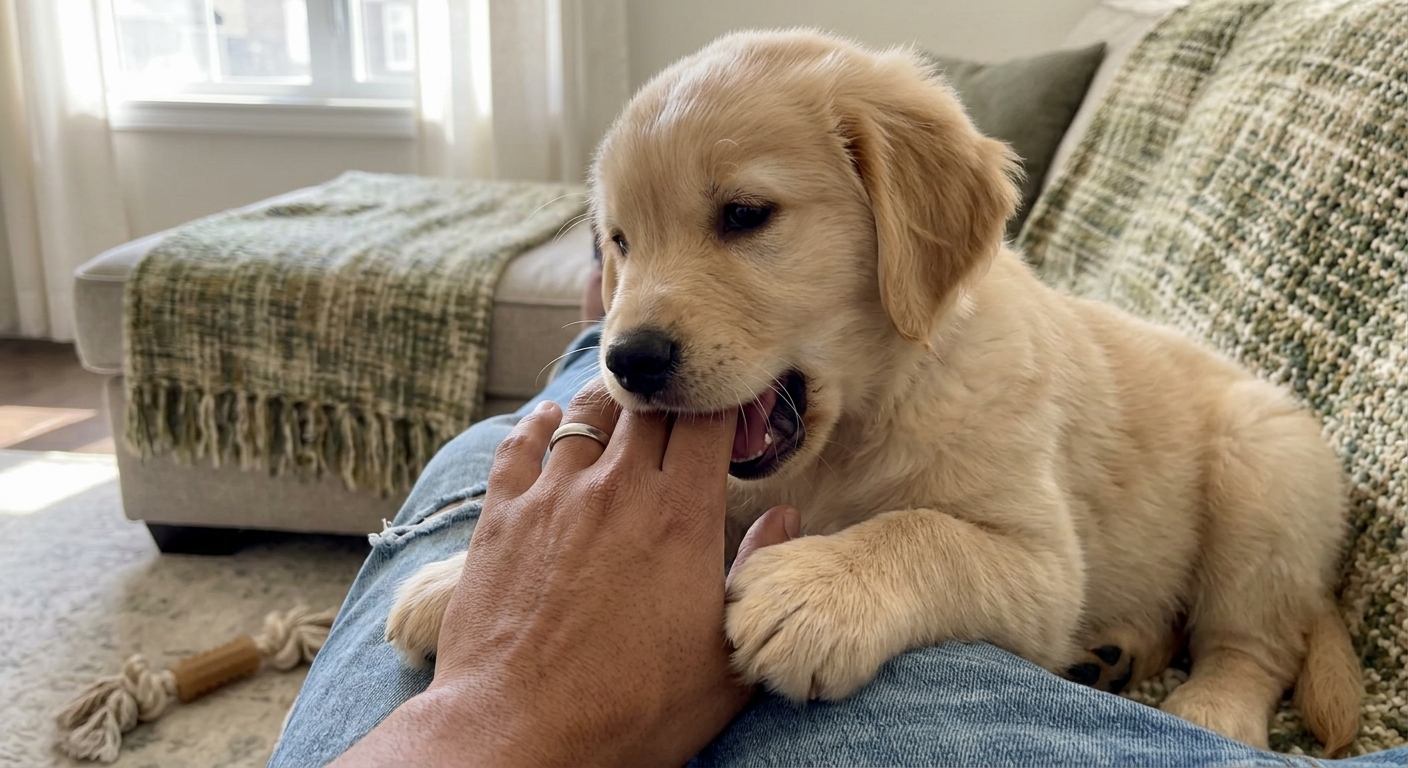
A 'soft mouth' bite is characteristic of playful, exploratory nipping. It's rarely malicious and is often your puppy's way of inviting interaction or simply exploring textures (like your fingers!).
- Body Language: Your puppy will likely have a loose, wiggly body. Their tail might be wagging, their ears relaxed, and their overall demeanor playful. They might even do a 'play bow' before nipping.
- Bite Pressure: While their teeth are sharp, the bite itself isn't meant to hurt. It's often more of a gentle grab or a series of light nips. They might chew on your clothes or hands without truly clamping down hard.
- Response to Cues: A puppy engaging in soft-mouth play will usually respond well to a loud 'ouch!' or a quick cessation of play. They might even look surprised or briefly pause.
- No Growling or Snarling: There are typically no vocalizations of anger, just happy puppy grunts or silence.
Teaching Bite Inhibition with Positive Reinforcement
The goal isn't to stop biting entirely, but to teach your puppy to use their mouth gently. Here's how:
- The 'Yelp' Method: When your puppy nips too hard, let out a high-pitched 'ouch!' or 'eep!' and immediately withdraw your hand (or whatever they're biting). This mimics how another puppy would react.
- Redirection: After withdrawing, immediately offer an appropriate chew toy. This teaches them what they *can* bite. For fantastic ideas on engaging their minds and managing their impulses, check out our guide on Impulse Control Games: Fun Ways to Teach Your Dog Self-Control Using Their Favorite Toys.
- Time-Outs: If the nipping continues, calmly remove yourself from the play area for 10-30 seconds. This teaches them that biting too hard makes the fun stop. A well-set-up crate can be an excellent safe space for these brief cool-downs.
Identifying True Frustration or Aggression: When to Be Concerned
While puppy nipping is normal, some behaviors can indicate underlying frustration, fear, or even early signs of aggression. It's vital to recognize these differences early.
- Body Language: Look for stiffness in the body, a low or tucked tail (fear), raised hackles, a hard stare, or a rigid stance. The puppy might try to make themselves look bigger or smaller.
- Vocalizations: Growling, snarling, or a deep, guttural bark are significant warning signs. These aren't playful sounds.
- Bite Pressure and Duration: Bites are harder, more sustained, and may involve shaking. The puppy may not release easily or may re-engage aggressively even after you've pulled away.
- Context: Is the biting happening in response to being handled, cornered, or when a valuable resource (food, toy) is present? These are common triggers for frustration or resource guarding.
- Lack of Response to Cues: A puppy showing true frustration or aggression will often ignore your 'ouch' or attempts to redirect them.
Common Triggers for Frustration/Aggression in Puppies
Often, what looks like aggression is actually a puppy reacting to overwhelming circumstances:
- Over-tiredness: Just like human toddlers, puppies can get cranky when they're overtired. This can manifest as increased nipping or 'zoomies' that tip into overstimulation. Understanding Puppy Energy Cycles: Understanding "The Zoomies" vs. Over-Overtiredness can help you manage these moments.
- Fear or Anxiety: New environments, loud noises, or unfamiliar people can cause a puppy to feel threatened and lash out. Ensure you've set up a secure and comforting environment, especially in the first 48 hours after bringing a puppy home.
- Pain: Always consider if your puppy might be in pain. A vet visit is crucial if you suspect this.
- Resource Guarding: Protecting food, toys, or even their bed can lead to aggressive displays.
- Lack of Stimulation: Boredom and pent-up energy can lead to destructive behaviors, including frustrated biting. Incorporating regular mental stimulation through a "Go To" Routine: Structuring a 10-Minute Daily Training Session can make a world of difference.
What to Do When You Suspect True Frustration or Aggression
If you observe signs of true frustration or aggression, it's essential to act calmly and strategically:
- Ensure Safety: If necessary, calmly remove yourself or the puppy from the situation. Avoid punishment, which can escalate aggression.
- Identify Triggers: Try to understand what caused the reaction. Was it a specific person, object, sound, or situation?
- Manage the Environment: Prevent future incidents by avoiding or managing triggers. For example, if your puppy guards their food, feed them in a quiet, isolated area.
- Seek Professional Guidance: Early intervention is key! If you're concerned, it's always best to consult with a certified professional dog trainer or veterinary behaviorist. PetTrain360 offers expert-led online training programs that can provide tailored support and strategies for challenging behaviors, proving that you can really train a dog online effectively.
- Focus on Positive Reinforcement: Build trust and confidence through positive reinforcement. Never use fear, force, or punishment, as these can exacerbate fear-based aggression.
PetTrain360: Your Partner in Puppy Success
Navigating puppyhood challenges like biting can be daunting, but you don't have to do it alone. By understanding your puppy's communication and responding with patience and positive reinforcement, you're building a strong foundation for a well-adjusted, confident adult dog. Whether it's mastering potty training with our 3-day method or addressing more complex behavioral issues, PetTrain360 is here with the tools and expertise you need. Dive into our extensive library of resources and become the confident, capable pet parent your puppy deserves. Discover why our Pro Plan offers incredible value and see how our online training wins for busy parents just like you.