
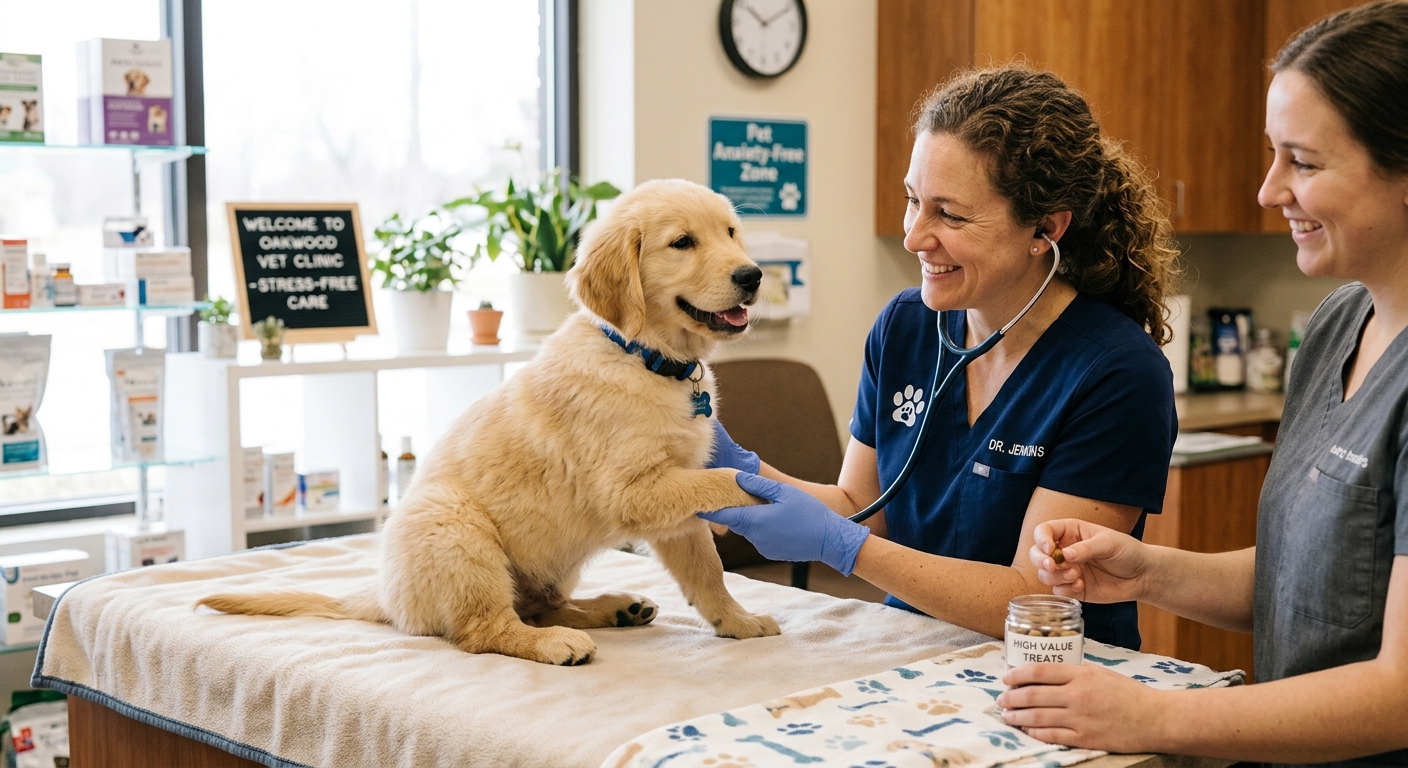
Bringing a new puppy home is a whirlwind of joy, cuddles, and endless potential! As you embark on this exciting journey, it’s easy to focus on the fun stuff like playtime and tricks. But there’s a crucial aspect of puppy parenthood that often gets overlooked until it becomes a challenge: preparing your furry friend for essential experiences like vet visits and grooming. At PetTrain360, we believe in proactive, positive training, and for handling, we have a "Golden Rule."
The Golden Rule of Handling: Make it Positive, Make it Routine
The core principle behind preparing your puppy for comfortable vet visits and grooming sessions is simple: every interaction with handling should be a positive, predictable, and rewarding experience. This isn't just about tolerating touch; it's about associating being handled, examined, and groomed with good feelings, tasty treats, and calm reassurance.
Why Early, Positive Handling is a Game-Changer
Imagine your puppy's first vet visit. New smells, strange hands, unfamiliar instruments. If their only exposure to being held firmly or having their paws touched is during a potentially uncomfortable procedure, fear and anxiety can quickly set in. This can lead to stress for your puppy, challenges for the vet/groomer, and higher costs for you. By starting early and making handling a positive part of daily life, you:
- Build Trust: Your puppy learns to trust your touch and understand that handling leads to good things.
- Reduce Stress: Future vet visits and grooming appointments become less intimidating and more manageable.
- Ensure Safety: A dog comfortable with handling is safer for veterinary staff and groomers, reducing the need for muzzles or sedation.
- Strengthen Your Bond: Gentle handling sessions can become another form of positive interaction and bonding.
Remember, the critical socialization window for puppies closes around 16 weeks. Exposing them positively to a wide range of experiences, including handling, during this time is paramount. For a comprehensive guide, check out The Fear Free Socialization Checklist: 50 Things Your Puppy Needs to See Before 16 Weeks.
Practical Steps to Make Handling a Treat!
Consistency is key! Aim for short, frequent sessions rather than long, overwhelming ones. Always use high-value treats and calm, soothing praise.
1. Touch & Treat: Head to Tail
Start with gentle touches on various parts of their body, immediately followed by a treat. The goal is to create a positive association.
- Ears: Gently touch their ear flaps, look inside (briefly!), then treat. Build up to gently rubbing the inside.
- Paws: Touch their leg, then a paw, then each toe, then gently hold a paw. Treat for each step. This is crucial for nail trims!
- Mouth & Teeth: Gently lift their lip, briefly touch a tooth, then treat. Build up to gently opening their mouth for a second. This helps with dental checks and administering medication. If your puppy is still in the teething phase, this can be extra sensitive, so be extra gentle and use special frozen toys as a reward after.
- Tail & Rear: Gently touch and lift their tail. This helps with temperature checks and anal gland expressions.
- Body Massage: Gently stroke and examine their body, feeling for lumps or bumps.
2. Introduce Tools & Sounds Positively
Don't wait for a stressful appointment to introduce the scary clippers or the loud hairdryer. Let your puppy see, sniff, and experience these items in a non-threatening way.
- Brushes & Combs: Gently brush for a few seconds, then treat. Gradually increase duration.
- Nail Clippers/Grinders: Show them the tool, let them sniff, treat. Touch the tool to a paw (without clipping), treat. Only then, try a tiny clip, followed by a jackpot of treats and praise.
- Hair Dryer: Turn it on low in another room. Slowly bring it closer, rewarding calm behavior. Never point it directly at your puppy until they are comfortable.
- Vet Smells: A quick, positive visit to the vet's parking lot or lobby (without an exam) can help desensitize them to the smells and sounds.
3. Practice Positions: Stand & Stay
Learning to stand still is invaluable for examinations and grooming. Use positive reinforcement to teach a 'stand' command. You can even use advanced techniques like platform training to refine their posture and ability to hold a position for longer periods, which is excellent preparation for grooming tables or vet exam tables.
Similarly, a solid 'stay' command helps them remain calm during procedures. Want to incorporate these into a structured routine? Our guide, The "Go To" Routine: Structuring a 10-Minute Daily Training Session for Maximum Brain Tire, can help you integrate handling practice into your puppy's daily mental workout.
4. Embrace Impulse Control Games
Teaching your puppy to wait patiently and calmly, even when excited or presented with distractions, is crucial for successful handling. Impulse Control Games are fantastic for building this self-control, making your puppy more amenable to sitting still during a nail trim or remaining calm during a vet's examination.
The Actual Vet Visit & Grooming Appointment
Even with preparation, these can be nerve-wracking. Here’s how to make them smoother:
- Choose Wisely: Look for "Fear Free Certified" vets and groomers who prioritize your pet's emotional well-being.
- Pre-Visit Prep: Arrive with a slightly hungry puppy (makes treats more appealing!) and ensure they've had a chance to potty.
- Be Your Puppy's Advocate: Don't be afraid to ask for breaks, use treats, or request slower handling if your puppy is showing signs of stress.
- Bring a Comfort Item: A familiar blanket or toy can offer reassurance.
- Keep it Positive: Continue to reward calm behavior with treats and praise during the appointment.
Patience and Consistency: Your Best Tools
Some puppies might take longer to warm up to handling than others. If your puppy shows signs of discomfort or fear (like growling, nipping, or trying to escape – understanding the difference between puppy biting or aggression is key), slow down. Revert to easier steps, shorten sessions, and always end on a positive note. Never force your puppy or punish them for fear-based reactions; this will only worsen the problem.
By consistently applying the Golden Rule of Handling, you’re not just preparing your puppy for necessary appointments; you’re fostering a confident, resilient, and trusting companion. For more success stories and training tips, explore Pettrain360.com Results!