
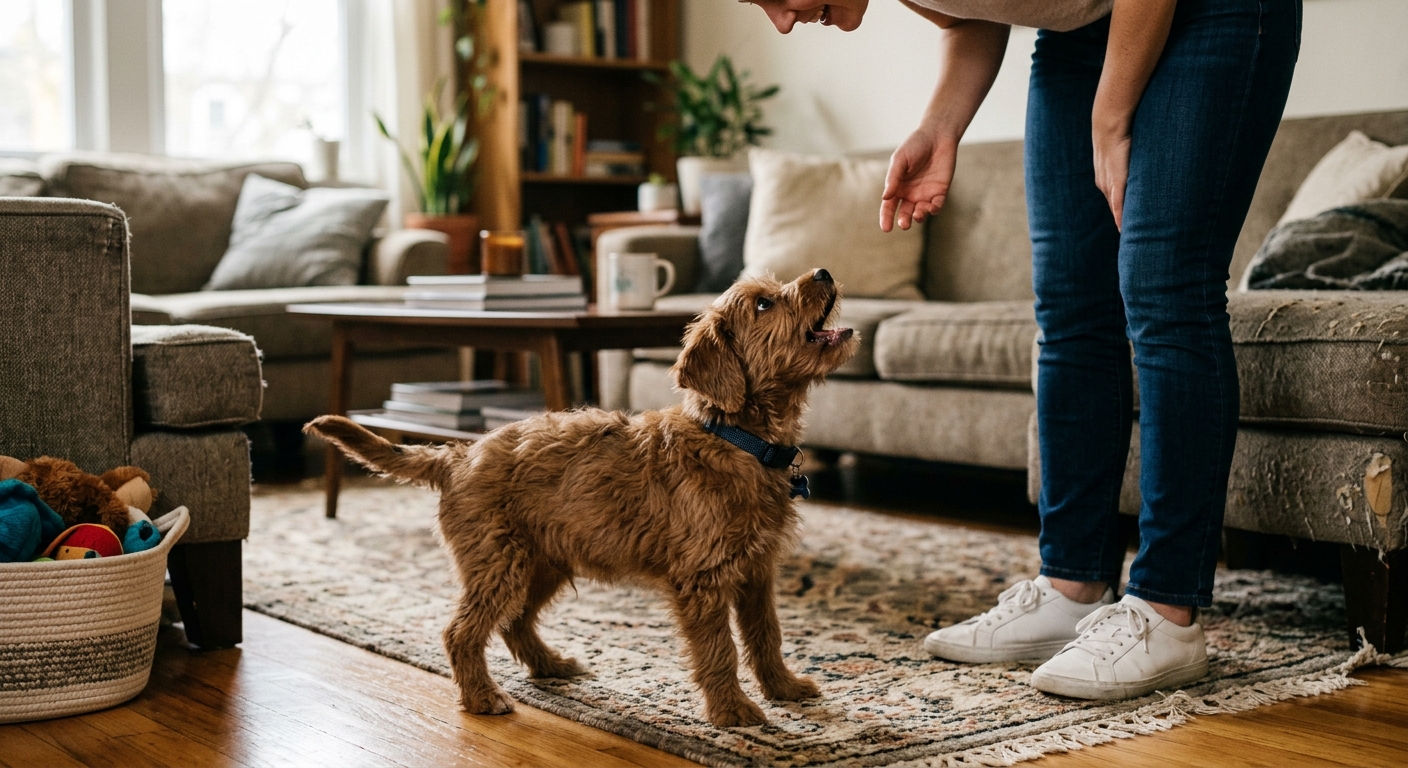
There's nothing quite like the joyful chaos of a new puppy. The adorable clumsy paws, the irresistible puppy breath, and… the barking. Oh, the barking! For many new puppy parents, deciphering those vocalizations can feel like trying to solve an ancient riddle. Is your furry friend throwing a tantrum for more treats, or are they genuinely trying to tell you something important?
Understanding the difference between a puppy barking for attention and one barking for help is crucial for building a strong bond and ensuring their well-being. At PetTrain360, we believe in empowering you with positive reinforcement techniques to speak your puppy’s language. Let’s decode those barks together!
The Two Main Types of Puppy Barks: Attention vs. Help
While every puppy has a unique voice, most barks can broadly be categorized into two intentions. Learning to identify the subtle cues, both vocal and physical, will transform your communication.
Barking for Attention: "Look at Me! I Want Something!"
This is often the most common and, frankly, the most frustrating type of barking if not managed correctly. An attention-seeking bark is your puppy's way of saying, "Hey, human! I see you! Now, do something for me!"
- Characteristics:
- Sound: Often repetitive, insistent, and can escalate in volume or intensity. It might sound demanding, yippy, or like a series of short, sharp barks.
- Body Language: Your puppy will likely be looking directly at you, perhaps wagging their tail (a loose, happy wag usually indicates a desire for interaction), nudging you, bringing a toy, or pawing at you. They might even engage in playful bows or try to initiate play. They appear generally energetic and focused on getting your reaction.
- Context: Occurs when you are present but not interacting with them, when they want food, playtime, a walk, or to be petted.
- How to Respond (Positive Reinforcement Approach):
- Ignore the Bark, Reward the Quiet: This is paramount. If you respond to an attention-seeking bark (even with a "no!" or a stare), you're still giving attention. Instead, turn away, cross your arms, or even leave the room for a few seconds. The moment your puppy is quiet, even for a second, turn back and calmly reward them with praise, a quick pet, or a treat. This teaches them that quiet earns rewards, not barking.
- Teach an Alternative Behavior: Instead of barking for attention, teach your puppy to sit politely or go to their mat. When they offer this desired behavior instead of barking, lavish them with praise and rewards. Impulse control games are excellent for this!
- Proactive Engagement: Ensure your puppy is getting enough mental and physical stimulation throughout the day. A tired, well-exercised, and mentally stimulated puppy is less likely to resort to excessive attention-seeking. Consider implementing a structured daily training session to keep their brain engaged.
Barking for Help: "I Need Something! I'm Uncomfortable!"
This type of bark is your puppy's way of signaling genuine distress, discomfort, or an unmet need. It's crucial to differentiate these barks from attention-seeking ones, as they require immediate investigation and action.
- Characteristics:
- Sound: Often sounds more urgent, distressed, higher-pitched, or whiny. It can be a series of sharp, quick barks followed by whines, or prolonged, mournful barks. The tone might convey anxiety, fear, or pain rather than demand.
- Body Language: May include pacing, restlessness, whining, cowering, tail tucked, ears back, lip licking, yawning (stress signals), or frantically trying to get your attention or escape a situation. They might also be focused on a specific area (like the door for potty or their food bowl if hungry).
- Context: Often occurs when they need to go to the bathroom, are hungry or thirsty, feel pain, are scared, lonely, or over-tired. They might also bark from confinement if they haven't been properly crate trained or are experiencing separation anxiety.
- How to Respond:
- Investigate Immediately: Never ignore a potential "help" bark. Check their basic needs first:
- Potty: Take them outside immediately. Even if you think they just went, a quick trip won't hurt.
- Hunger/Thirst: Is it mealtime? Is their water bowl full?
- Discomfort/Pain: Gently check for injuries or anything bothering them. If concerned, contact your vet.
- Fear/Loneliness: Is there a loud noise? Are they alone for too long? Have they had enough positive socialization experiences to feel confident in their environment?
- Address the Underlying Need: Once you identify the cause, calmly and reassuringly meet that need. This builds trust and teaches your puppy that you are their reliable provider of comfort and safety.
- Investigate Immediately: Never ignore a potential "help" bark. Check their basic needs first:
Key Differences: Reading Your Puppy's Cues
Here’s a quick guide to help you distinguish between the two types of barks:
- Attention Bark:
- Vocalization: Insistent, demanding, often escalating, short and sharp.
- Body Language: Direct eye contact, tail wagging (loose), nudging, pawing, playful stance, generally relaxed but focused on you.
- Context: Wants interaction, play, food, or access to something you have.
- Help Bark:
- Vocalization: Urgent, distressed, whiny, higher-pitched, prolonged, anxious tone.
- Body Language: Pacing, restless, tail tucked, ears back, stress yawns/lip licks, focused on a door, crate, or showing signs of discomfort. May avoid eye contact or seek hiding spots.
- Context: Needs to go potty, hungry, in pain, scared, lonely, or confined.
Preventing Excessive Barking & Proactively Fulfilling Needs
The best way to manage barking is often through prevention. A well-adjusted puppy with their needs met is a quieter, happier puppy!
- Establish a Consistent Routine: Puppies thrive on predictability. Consistent feeding times, potty breaks, play sessions, and rest periods help them feel secure and reduce anxiety-induced barking. Proper preparation before bringing your puppy home is key to setting this up right.
- Provide Ample Enrichment: Boredom is a major trigger for attention barking. Offer puzzle toys, safe chew items, and regular interactive play.
- Ensure Proper Potty Training: Frequent potty breaks, especially during puppyhood, are vital. Don't make them hold it too long! Our 3-day potty training method can help you master this quickly.
- Positive Crate Training: A crate should be a safe, comfortable den, not a prison. Follow positive reinforcement techniques to make their crate a happy place, reducing distress barks.
- Socialization & Exposure: A well-socialized puppy is less likely to bark out of fear or uncertainty. Expose them positively to various sights, sounds, people, and other dogs. Remember our Fear Free Socialization Checklist!
When to Seek Professional Guidance
If you're consistently struggling to understand your puppy's barks, or if their barking seems excessive, destructive, or accompanied by other concerning behaviors (like aggression or extreme anxiety), it's always best to consult a professional dog trainer. PetTrain360 offers expert online dog training resources that can provide personalized guidance and support.
Conclusion: The Art of Puppy Communication
Learning to distinguish between a puppy barking for attention and one barking for help is an art, not a science, and it develops with time and observation. By paying close attention to your puppy's vocalizations, body language, and the context of their barks, you’ll become a fluent speaker in their unique language. Remember, every bark is a form of communication, and by responding thoughtfully and with positive reinforcement, you'll build an unbreakable bond of trust and understanding with your beloved companion.
Happy training!