
Frustrated Greeter vs. Fear Aggressive: Why Your Dog Lunges on Leash
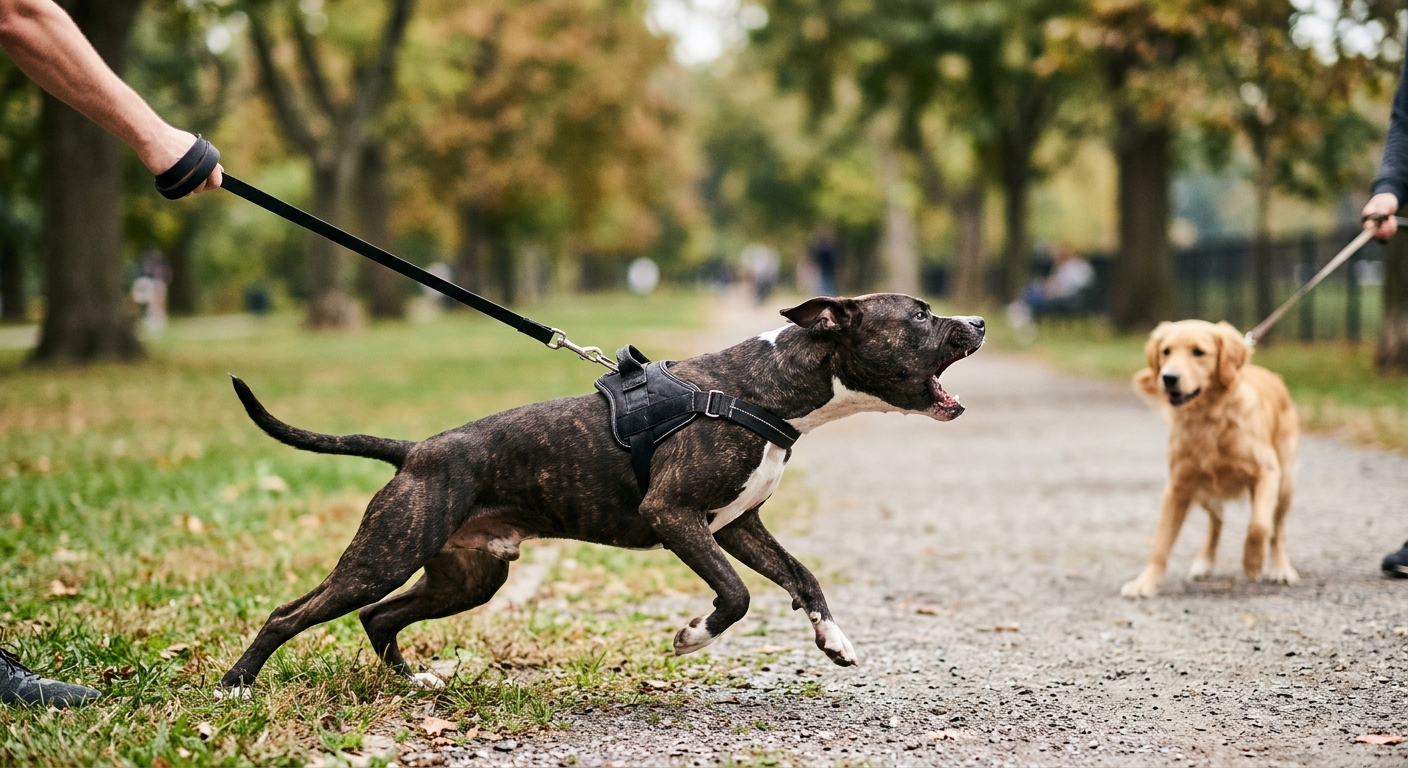
Picture this: You’re enjoying a peaceful stroll with your beloved canine companion when suddenly, another dog appears. In a flash, your dog transforms from a calm walker into a lunging, barking, pulling tornado at the end of the leash. Sound familiar? This stressful scenario, often labeled as ‘leash reactivity,’ is incredibly common and can be perplexing for even the most dedicated pet parents. But here’s the crucial insight: not all leash lunging is created equal. Understanding the difference between a frustrated greeter and a fear aggressive dog is the first, vital step towards effective, positive-reinforcement based training.
The Frustrated Greeter: "I JUST WANT TO SAY HI!"
Often misunderstood, the frustrated greeter isn't necessarily aggressive. Instead, their overwhelming desire to interact with other dogs (or people) is amplified by the barrier of the leash. They want to play, sniff, or engage, but the leash prevents them from reaching their target, leading to immense frustration.
- Signs you might see:
- High-pitched, excited barking and whining.
- Frantic pulling and jumping towards the other dog.
- A generally loose and wiggly body, especially before the lunge.
- A wagging tail (often a fast, loose wag indicating excitement).
- Open, sometimes frantic, mouth or playful nips at the air.
- A quick rebound to normal behavior once the trigger passes, though still excited.
This behavior often stems from a lack of impulse control and sometimes, incorrect early socialization where dogs learned that pulling or being boisterous gets them what they want. It can also be exacerbated by over-arousal in stimulating environments, which is why we often suggest why you should avoid dog parks with puppies under 6 months, as they can quickly become overwhelmed.
The Fear Aggressive Dog: "STAY AWAY FROM ME!"
In stark contrast, a dog lunging out of fear aggression isn't trying to make friends; they're trying to make the perceived threat disappear. Their lunging and barking are distance-increasing behaviors, a desperate plea for space and safety. They communicate, “Go away!” because they feel trapped and insecure.
- Signs you might see:
- Stiff, tense body posture; often leaning away or freezing momentarily.
- Low, guttural growls, snarls, or quick, sharp barks.
- Lip curling, direct hard stare, or showing the whites of their eyes (whale eye).
- Tail tucked low between legs, or held rigidly.
- Hackles (hair on the back) raised.
- Quick lunges forward, often followed by a retreat or attempts to pull away.
- May try to hide behind you or avoid eye contact with the trigger.
Fear aggression is often rooted in a lack of fear-free socialization during crucial puppyhood, negative past experiences with other dogs or people, or an underlying anxiety. It's important to understand the subtle nuances of canine body language. Sometimes, what might look like simple "puppy biting" can actually be a sign of deeper frustration or fear, and knowing how to read soft mouth vs. true frustration is key. Similarly, deciphering whether your puppy is barking for attention or help can provide clues about their underlying emotional state.
Why Differentiating Matters for Training
Understanding whether your dog is a frustrated greeter or fear aggressive is paramount because their training approaches, while both rooted in positive reinforcement, will differ significantly. A frustrated greeter needs to learn impulse control and how to calmly engage, while a fear aggressive dog needs to build confidence and learn that the trigger isn't a threat.
Positive Reinforcement Strategies for Both
Regardless of the root cause, effective training focuses on changing your dog's emotional response and teaching them alternative, desired behaviors.
- Management is Your Best Friend: Avoid situations where your dog reacts. This means crossing the street, creating distance, or choosing less busy walking routes. The fewer times your dog practices the undesirable behavior, the better.
- Foundation Skills are Crucial: A solid foundation of basic obedience will empower both you and your dog. Start with leash training indoors with zero distractions to build perfect focus. Teach "Leave It" to help with impulse control, and practice 'watch me' or 'focus' cues to redirect attention.
- Counter-Conditioning and Desensitization: This involves gradually exposing your dog to triggers at a distance where they remain calm, pairing the sight of the trigger with high-value treats or praise. The goal is to change their negative association to a positive one.
- Appropriate Equipment: Ensure your dog's harness is comfortable and safe. A well-fitting, front-clip harness can provide better control and prevent pulling without causing discomfort. If your puppy is still growing, ensuring they learn to love their harness without pulling or hassle is a great first step.
- Enrichment and Mental Stimulation: A tired dog is often a well-behaved dog. Providing plenty of mental exercise can reduce overall stress and reactivity. Explore enrichment for puppies to tire them out and build confidence.
Specific Tips for the Frustrated Greeter
- Teach Calm Greetings: Practice 'look at that' (LAT) or 'engage-disengage' games, rewarding your dog for noticing another dog and then looking back at you calmly.
- Impulse Control Games: Practice 'sit-stay' or 'down-stay' with increasing distractions. Reward heavily for calm behavior when a trigger is present.
- Controlled Introductions: Only when your dog is consistently calm, arrange highly controlled, on-leash parallel walks with a calm, known dog from a distance, slowly decreasing the space if appropriate.
Specific Tips for the Fear Aggressive Dog
- Prioritize Safety: Your dog's safety and the safety of others is paramount. Use appropriate leashes and harnesses, and always maintain distance.
- Build Confidence: Focus on positive experiences away from triggers. Enroll in fun, low-pressure training classes, or engage in activities your dog enjoys.
- Seek Professional Help: For fear aggression, consulting a certified professional dog trainer or veterinary behaviorist is highly recommended. They can create a personalized plan, including potential behavior modification techniques or, in some cases, medication to help manage anxiety.
Patience and Persistence Pay Off
Dealing with leash reactivity, whether due to frustration or fear, requires immense patience, consistency, and a deep understanding of your dog's emotional state. Remember, your dog isn't trying to be difficult; they're communicating a need or an emotion. With positive reinforcement, careful management, and a willingness to understand their world, you can transform stressful walks into enjoyable experiences for both you and your best friend. Don't hesitate to reach out to a professional for guidance; you don't have to navigate this journey alone!