
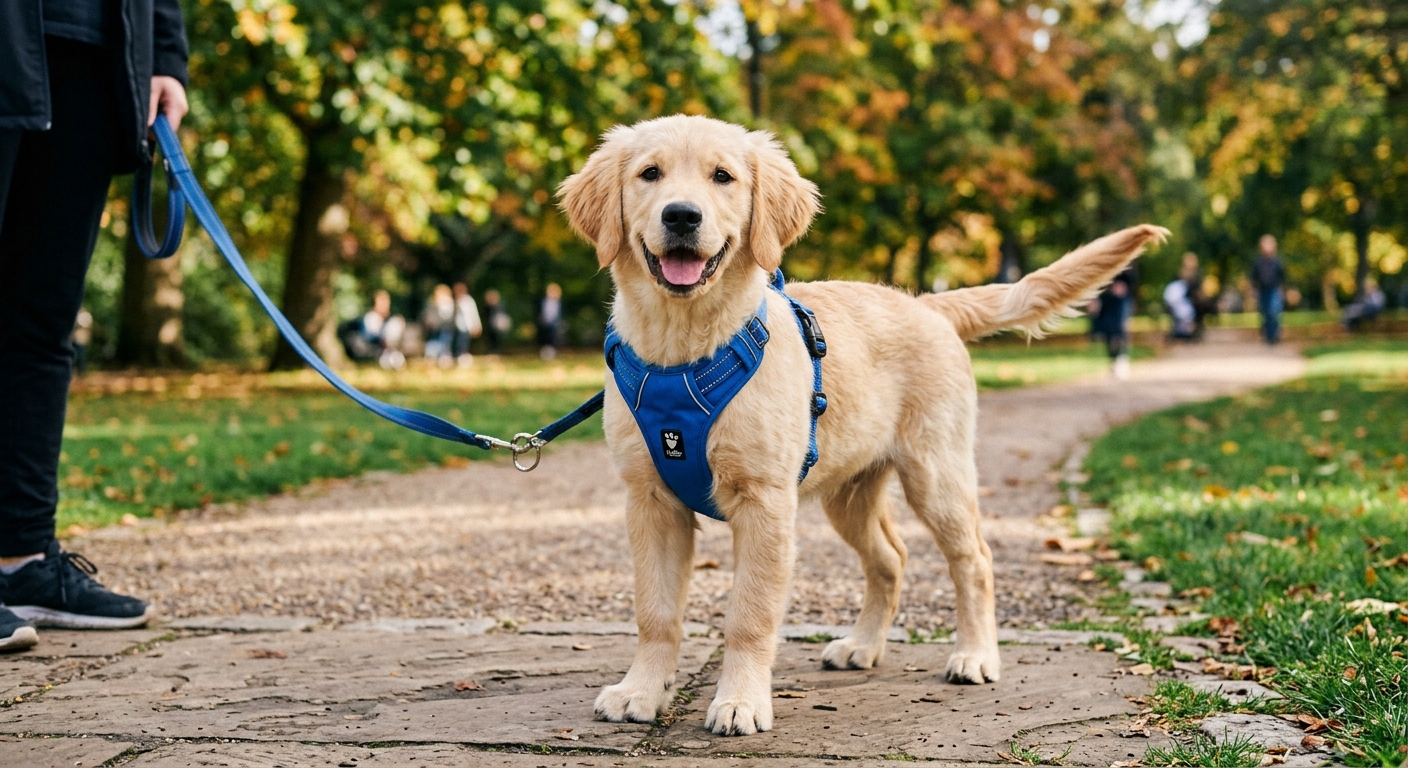
Teaching Your Puppy to Love the Harness: No Pulling, No Hassle
Walking your puppy should be a joyous adventure, not a tug-of-war! A properly fitted harness, introduced positively, can transform walks from a struggle into a delightful bonding experience. At PetTrain360, we believe in building happy, confident puppies, and that starts with making everyday routines, like wearing a harness, something they actually love. Say goodbye to pulling and hello to hassle-free strolls!
Why Choose a Harness Over a Collar for Walks?
While collars are essential for ID tags, harnesses offer significant advantages for walks, especially for puppies. They distribute pressure evenly across your puppy's chest and shoulders, preventing strain on their delicate neck and trachea. This is particularly important for growing pups and breeds prone to respiratory issues. Plus, a well-fitting harness gives you more control without causing discomfort, making those initial leash training sessions indoors much smoother and more pleasant for both of you.
Choosing the Right Harness for Your Puppy
The market is flooded with harnesses, but not all are created equal. For puppies, we strongly recommend a 'Y-front' or 'H-style' harness that allows for full shoulder movement. Avoid harnesses that restrict shoulder motion or put pressure on the armpits. Ensure it's adjustable and fits snugly but not tightly – you should be able to comfortably slide two fingers under any strap.
Step-by-Step Guide to Harness Acclimation
Step 1: Make the Harness a Positive Object
Before you even think about putting it on, let your puppy associate the harness with good things!
- Show & Treat: Hold up the harness, say 'Harness!', and immediately give a high-value treat. Repeat several times.
- Sniff & Reward: Let your puppy sniff the harness. As soon as they do, 'Yes!' and treat.
- Place Near Food/Toys: Leave the harness near their food bowl during meal times or near their favorite toys during playtime, always associating it with positive experiences.
Step 2: Gentle Handling & Touch
This step is crucial for building comfort with the harness. Remember The Golden Rule of Handling: always pair touch with treats and keep it positive.
- Touch with Harness: Gently touch your puppy with the harness (not putting it on, just touching their side/back with it). Treat.
- Practice 'Putting On' Motions: Mimic the motion of putting the harness over their head or around their chest, without actually doing it. Treat. This desensitizes them to the motion.
Step 3: The First Try-On (Briefly!)
Once your puppy is happy to see the harness and comfortable with gentle touches, it's time for a quick try-on.
- Distraction is Key: Choose a calm moment when your puppy isn't overly tired or full of zoomies (understand their puppy energy cycles!). Have treats ready.
- Quick & Calm: Gently slip the harness over their head (if it's that style) or wrap it around their body and buckle it. Immediately give a stream of treats and praise.
- Remove Immediately: Don't leave it on for long initially. Remove it after a few seconds, while still giving treats. The goal is a quick, positive experience.
- Repeat & Increase Time: Gradually increase the time the harness stays on, always pairing it with treats, praise, or a favorite activity.
Step 4: Harness Time Indoors
Once your puppy is comfortable wearing the harness for a minute or two, let them wear it for short periods around the house.
- Play & Treat: Distract them with toys, play a quick game, or give them a puzzle toy while wearing it.
- Attach Leash (No Walking Yet!): Once they're okay with the harness, attach a lightweight leash and let them drag it around indoors (under strict supervision to prevent tangles). This helps them get used to the feel of the leash. This is a perfect follow-up to our Leash Training Starts Indoors: The Zero-Distraction Method.
- Short, Happy Sessions: Keep sessions brief and always end on a positive note. Remember, physical walks aren't the only way to tire them out; try some enrichment brain games too!
Step 5: First Outdoor Adventures
You're ready for the great outdoors!
- Short & Sweet: Keep first outdoor excursions very short, just a few minutes around your yard or quiet street. The goal is positive exposure, not a long walk.
- Explore & Reward: Let your puppy explore and sniff. Reward calm walking and any positive interactions.
- Positive Socialization: Introduce them to new sights, sounds, and textures on their harness walks. Use our Fear Free Socialization Checklist to ensure these experiences are positive and enriching.
- Safety First: For very young puppies, remember that places like dog parks should be avoided until they are fully vaccinated and older, focusing instead on controlled, positive exposures.
Troubleshooting Common Issues
- Puppy Freezes: If your puppy stops moving or acts stiff, it's usually a sign they're uncomfortable. Go back a step. Make the harness experience even more positive and brief indoors.
- Puppy Bites the Harness: This often means they're trying to remove it. Redirect their attention with a chew toy or a treat. Ensure the harness isn't pinching or uncomfortable.
- Puppy Pulls: If pulling starts, immediately stop walking. Wait for the leash to slacken, then praise and resume walking. Consistency is key!
Key Takeaways
Teaching your puppy to love their harness is an investment in countless happy adventures together. It requires patience, consistency, and a whole lot of positive reinforcement. By making the harness a symbol of fun and treats, you'll ensure your puppy eagerly anticipates their walks, leading to a much more enjoyable experience for both of you. Happy trails!