
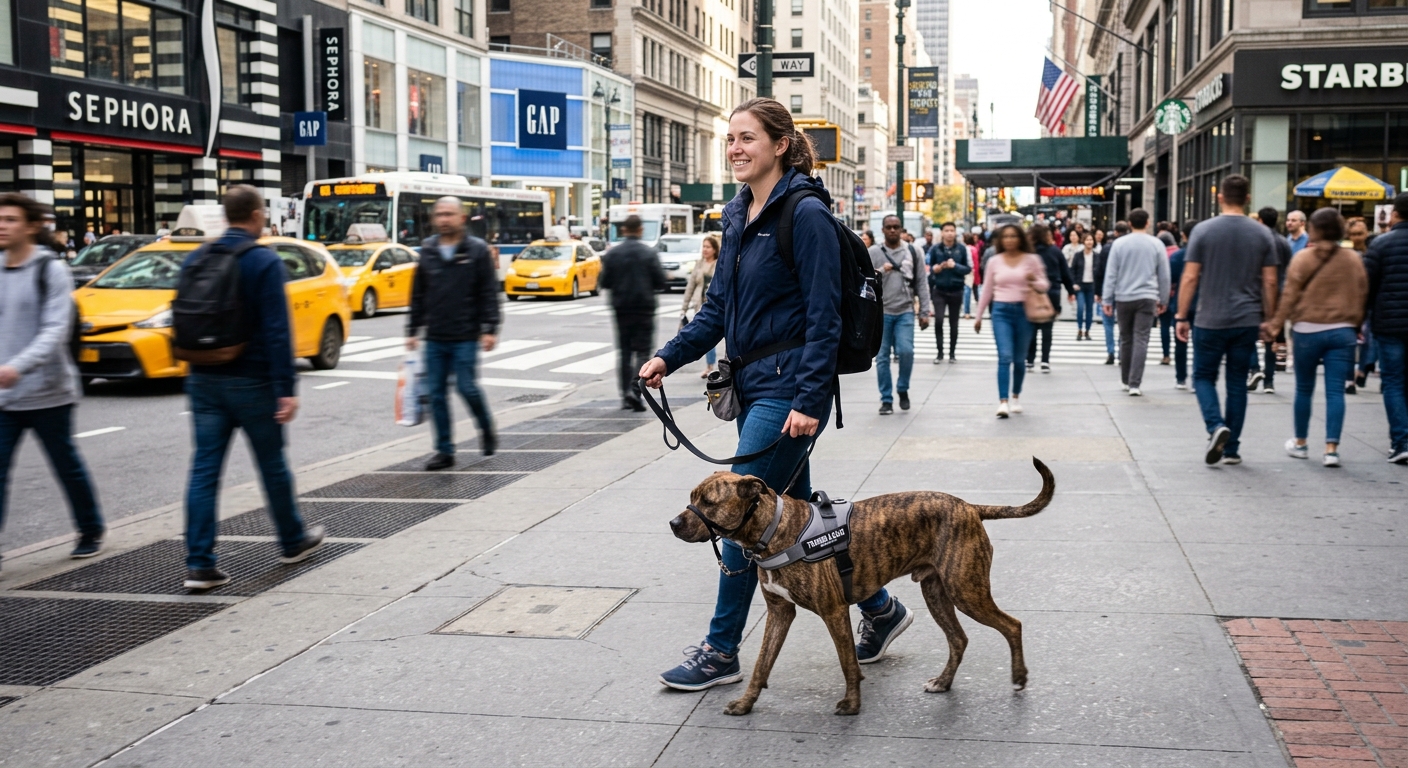
How to Walk a Reactive Dog in a Dense Urban Neighborhood: A Positive Approach
Walking your beloved dog should be a joyful experience, a bonding ritual. But for owners of reactive dogs in bustling urban environments, it can often feel like navigating a minefield. The constant barrage of triggers – other dogs, scooters, pedestrians, loud noises – can turn a simple stroll into a stressful event for both you and your furry friend. At PetTrain360, we understand the unique challenges you face, and we're here to offer a compassionate, positive-reinforcement based guide to transforming your urban walks.
The good news? It is possible to enjoy calmer, more confident walks with your reactive dog, even in the heart of the city. It takes patience, consistency, and the right strategies. Let's dive in!
Understanding Your Reactive Dog: It's Not 'Bad Behavior'
First and foremost, it's crucial to understand that reactivity is rarely about aggression; it's often a dog's way of communicating fear, frustration, or over-excitement when faced with triggers they can't comfortably handle. Whether your dog is a frustrated greeter or fear aggressive, their lunging, barking, or pulling is a signal that they're overwhelmed and need your help to cope.
Our goal isn't to punish these natural responses – because outdated, fear-based methods like alpha rolls only ruin trust and exacerbate anxiety. Instead, we aim to change your dog's emotional response to triggers through positive association and build their confidence.
Preparation is Your Urban Walking Superpower
1. The Right Gear Matters
- Harness, Not Collar: A well-fitting, front-clip harness gives you better control and prevents pressure on your dog's delicate trachea. If your dog is new to harnesses, check out our guide on teaching your puppy to love the harness.
- Sturdy Leash: A 4-6 foot standard leash is ideal. Retractable leashes offer no control and can be dangerous.
- High-Value Treats: These are your secret weapon! Think boiled chicken, cheese, or hot dogs – something irresistible that your dog only gets on walks when triggers appear.
2. Strategic Timing & Routes
This is perhaps the most impactful management strategy for urban walks. Scout your neighborhood for:
- Quieter Times: Early mornings, late evenings, or even during typical work hours often have fewer people and dogs.
- Less-Trafficked Streets: Can you take a side street instead of the main thoroughfare? Use alleys or paths with more space.
- Visual Barriers: Areas with parked cars, bushes, or fences can provide a momentary visual block from triggers.
3. Mental & Physical Prep Before the Walk
A tired dog is often a calmer dog. Before heading out, engage your dog in some indoor mental stimulation or low-impact physical play. Try some brain games that tire them out faster than walks to get some of that energy out. Also, ensure you've practiced leash training indoors in a zero-distraction environment to build a strong foundation for loose-leash walking.
During the Walk: Mastering the Urban Landscape
1. Maintain a Safe Distance (The Threshold)
Your dog's 'threshold' is the distance at which they can observe a trigger without reacting. This distance is dynamic and can change daily. Your primary goal is to stay under this threshold. If your dog notices a trigger but remains calm, you're at a good distance. If they start to get tense or focused, you're too close.
2. The 'Look at That' Game: Your Best Friend
This counter-conditioning technique is a game-changer for reactive dogs. The idea is to change your dog's negative association with a trigger into a positive one. See a dog approaching? Before your dog reacts, say "Look at that!" and immediately give them a high-value treat. Repeat as the trigger passes. This teaches them: "Other dog = delicious treat!" For a detailed guide, check out our article on The 'Look at That' Game: How to Counter-Condition Reactive Dogs.
3. Strategic Movement & Management
- U-Turns: If a trigger appears suddenly and you can't create enough distance, calmly turn around and walk in the opposite direction. Reward your dog for following.
- Block & Shield: Use your body as a shield between your dog and the trigger, especially if it's a quick, close encounter.
- Treat Scatter: If you're ambushed by a trigger and your dog is getting over-aroused, scatter a handful of treats on the ground. This encourages sniffing (a calming behavior) and distracts them from the trigger.
- Find a Safe Spot: Duck into an open doorway, behind a parked car, or into a side alley to create space and allow the trigger to pass.
4. Be Your Dog's Advocate
It's okay to create space and say "We need space" to other dog owners or pedestrians. Your priority is your dog's comfort and safety. Don't be afraid to cross the street or turn a corner to avoid a confrontation.
5. Stay Calm, Always
Dogs are masters at reading our emotions. If you're tense and anxious, your dog will pick up on it and likely become more reactive. Take deep breaths, stay positive, and remember that you are your dog's safe haven. Celebrate every small win!
After the Walk: Decompression & Reinforcement
Once you're back home, allow your dog to decompress. A short sniffari in the yard, a puzzle toy, or a chew can help them relax. Avoid immediately engaging in high-energy play. Reflect on the walk – what worked, what didn't? Every walk is a learning opportunity for both of you.
When to Seek Professional Help
If you're feeling overwhelmed, or if your dog's reactivity is severe or escalating, please consult a certified professional dog trainer or a veterinary behaviorist. They can provide personalized guidance and support to ensure you and your dog thrive.
Patience and Positive Reinforcement Lead the Way
Walking a reactive dog in an urban environment is a journey, not a destination. There will be good days and challenging days. By approaching each walk with preparation, strategic tools, unwavering patience, and a commitment to positive reinforcement, you'll gradually build your dog's confidence and turn those stressful outings into enjoyable adventures. You've got this, and PetTrain360 is here to support you every step of the way!