
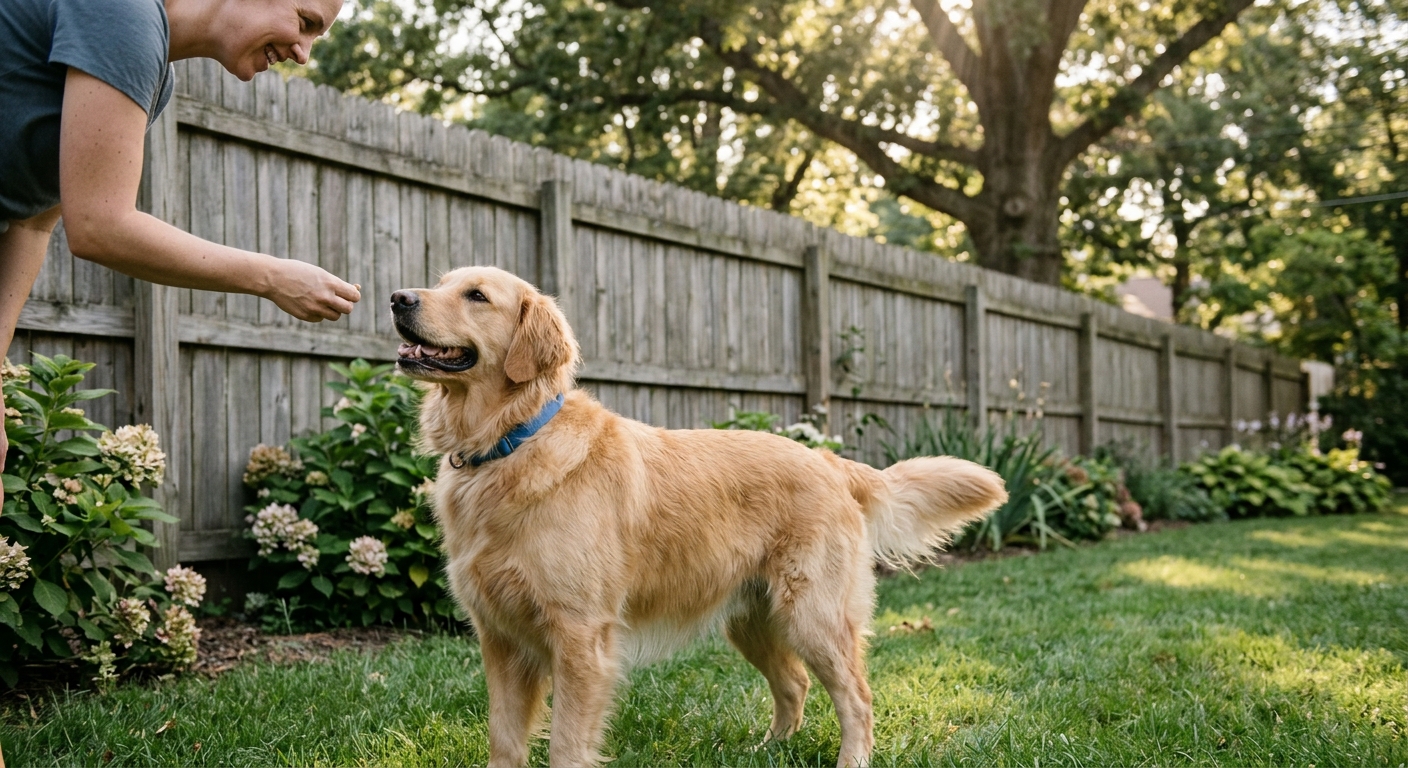
From 8 to 16 weeks, a good puppy training schedule focuses on potty training, crate comfort, name recognition and gentle socialization first, then adds sit, down, come, leash walking and handling. Keep sessions to 3 to 5 minutes, several times a day, and reward every success.
Puppies learn fast in these early weeks, and short, upbeat practice builds habits that last. Use the plan below as a guide and adjust to your puppy's pace. Every puppy is different, and progress matters more than the calendar.
The schedule at a glance
| Age | Main goals | Daily practice |
|---|---|---|
| 8 weeks | Settling in, potty routine, crate comfort | Potty trips every 1 to 2 hours, name game |
| 9 weeks | Name recognition, handling | Name game, gentle paw and ear touches |
| 10 weeks | Sit, bite inhibition | Lure a sit, redirect biting to toys |
| 11 weeks | Down, short leash practice | Leash on indoors, down with a lure |
| 12 weeks | Come, socialization outings | Recall games, new sounds and surfaces |
| 13 weeks | Leave it, settle on a mat | Leave it with low-value items, mat time |
| 14 weeks | Loose-leash walking basics | Reward walking at your side |
| 15 to 16 weeks | Polish and generalize | Practice cues in new places |
Weeks 8 and 9: settling in
Potty training
Take your puppy out after waking, eating, playing and every 1 to 2 hours. Go to the same spot, use a cue word, and reward right after they finish. Our 3-day potty training method lays out the routine in detail.
Crate comfort
Feed meals in the crate, toss treats inside and keep the door open at first. Short, calm stays build up to naps. If nights are hard, see our nighttime crate training guide.
Name game and handling
Say your puppy's name once and reward when they look at you. Gently touch paws, ears and mouth, pairing each touch with a treat so vet visits and grooming feel easy later.
Weeks 10 and 11: first cues
Sit and down
Hold a treat at your puppy's nose and move it up and back for sit, or down to the floor for down. Mark the moment they get it with “yes” and reward. Five correct reps is a great session.
Bite inhibition
Puppies explore with their mouths. When teeth touch skin, pause play and offer a toy instead. Our puppy biting guide explains why this works.
Leash introduction
Let your puppy wear a light leash indoors during play, then reward them for following you a few steps.
Weeks 12 and 13: recall and socialization
Come when called
Run a few steps away, say “come” in a happy voice and celebrate when your puppy reaches you. Practice indoors before trying the yard.
Socialization
Introduce new sights, sounds, surfaces and calm people at a distance your puppy is comfortable with, and follow your vet's advice on vaccinations before visiting busy public places. Use our socialization checklist to track experiences.
Leave it and settle
Start leave it with a low-value item in a closed hand, rewarding your puppy for looking away. Teach a mat as a calm place to relax.
Weeks 14 to 16: walking and polish
Reward your puppy for walking beside you, and stop moving if the leash gets tight. Practice sit, down and come in new rooms and outdoor spots so your puppy learns cues work everywhere.
A sample daily routine
- Morning: potty trip, breakfast in the crate, 3-minute name and sit session.
- Midday: potty trips, a nap in the crate, a short handling session.
- Afternoon: a socialization outing or a new sound, then a recall game.
- Evening: dinner, leash practice, calm mat time and a last potty trip before bed.
Tips that make the schedule work
- Keep sessions short and end on a win.
- Use small, soft treats your puppy loves.
- Train before meals when your puppy is motivated.
- Everyone in the home uses the same cue words.
- Plenty of sleep helps puppies learn. Many puppies nap often during the day.
Troubleshooting common setbacks
Potty accidents after a good week
Regression is normal, especially after a change in routine. Go back to more frequent trips for a few days and reward outdoor success generously. Our post on common potty training mistakes can help you spot what changed.
Crying in the crate at night
Place the crate near your bed for the first nights, add a safe chew and take a quick, quiet potty trip if needed. Keep nighttime trips calm and boring.
Zoomies and extra biting in the evening
This often means your puppy is overtired. Offer a chew, lower the energy in the room and guide them to a nap.
Not responding to their name outside
New places are exciting. Move back to an easier spot, use better treats and build up again.
How to track progress week to week
- Write down three wins at the end of each week.
- Note potty accidents and when they happen to find patterns.
- Record which cues your puppy knows at home and in new places.
- Celebrate small steps. Calm settling on a mat for one minute is real progress.
Pet Train 360 members can track progress and earn badges inside each course, which makes it easy to see how far you have come. Planning the first days at home? Start with our first 48 hours setup guide.
What comes after 16 weeks
Once the basics are in place, keep practicing in new environments, extend stay and recall distances, and introduce longer loose-leash walks. Adolescence can bring new challenges around 6 months, so consistency now pays off later.
Gear that makes the schedule easier
A crate sized for your puppy, a light leash, a well-fitted harness, soft training treats and a few safe chews cover almost everything in this plan. See our guide to getting a puppy to love the harness.
Adjusting the schedule for your puppy
Every puppy learns at a different pace. Small breeds may need more frequent potty breaks, while high-energy breeds may need extra play and enrichment before they can settle for training. If your puppy came home later than eight weeks, start at the week that matches what they already know rather than their age. Shy puppies benefit from slower, shorter socialization outings, while confident puppies may need more practice with calm behavior around new people and dogs.
Before visiting busy public places or meeting unfamiliar dogs, ask your veterinarian which outings are appropriate for your puppy's vaccination stage.
Train with step-by-step video lessons
Pet Train 360 has a free plan with introductory courses, and the Pro plan at $8 per month unlocks 100+ training modules, progress tracking and trainer support. Create your free account and follow along week by week, or see the plans.
Frequently asked questions
When should I start training my puppy?
You can start gentle training the day your puppy comes home, often around 8 weeks, with potty, crate and name games.
How long should puppy training sessions be?
Keep sessions to about 3 to 5 minutes, several times a day. Short, upbeat practice works best for young puppies.
What should a puppy learn first?
Potty routine, crate comfort, name recognition and gentle handling, followed by sit, down and come.
How often should a young puppy go out to potty?
Take your puppy out after waking, eating and playing, and about every 1 to 2 hours during the day at first.
When can my puppy go to public places?
Follow your veterinarian's advice on vaccinations before visiting busy public areas. You can still socialize safely at home and with healthy, vaccinated dogs you know.
Is Pet Train 360 free?
Yes, there is a free plan with introductory courses. The Pro plan is $8 per month for the full library.
What if my puppy is behind the schedule?
That is normal. Go back to the last week your puppy found easy, keep sessions short and positive, and move forward when they are succeeding most of the time.